BEST over-the-counter medications for COVID-19 relief symptoms
Over-the-Counter (OTC) Medications for Managing COVID-19 Symptoms
Many OTC products can help alleviate some of the symptoms associated with COVID-19. While these medications do not cure the virus itself, they can provide relief from discomfort and support recovery at home. It’s crucial to consult with a healthcare professional regarding appropriate treatments and to get tested if you suspect you have COVID-19. Self-treatment should never replace medical advice, especially if you have underlying conditions or are at higher risk for complications.
Pain Relievers and Fever Reducers
Acetaminophen (Tylenol):
Acetaminophen is often the first-line choice for reducing fever and relieving headaches or muscle aches caused by COVID-19. It is usually gentle on the stomach, making it a safe option for most people.
Ibuprofen (Advil, Motrin):
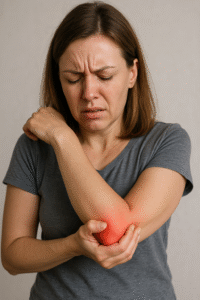
Ibuprofen belongs to a class of drugs called NSAIDs (nonsteroidal anti-inflammatory drugs). It not only reduces fever and pain but also helps with inflammation, which can occur during viral illnesses. Although there were early concerns about ibuprofen use in COVID-19, major health organizations, including the World Health Organization (WHO), have confirmed that it is safe to use.
Naproxen (Aleve):
Similar to ibuprofen, naproxen is another NSAID that offers longer-lasting relief from pain and inflammation. It may be beneficial for people who prefer less frequent dosing.
Tip: Always follow dosing instructions and avoid taking multiple products that contain the same active ingredient.
Cough Relief
Cough Suppressants:
Dextromethorphan (found in products like Delsym or some Robitussin formulas) helps quiet a dry, irritating cough that can interfere with sleep or daily activities.
Expectorants:
Guaifenesin (Mucinex, Robitussin) works by thinning mucus in the airways, making it easier to cough up phlegm. This can be especially useful if your COVID-19 symptoms involve chest congestion.
Throat Lozenges and Sprays:
Simple lozenges or throat sprays can soothe a sore, scratchy throat and provide temporary relief. Ingredients like menthol or benzocaine numb throat discomfort and make swallowing easier.
Nasal and Sinus Symptom Management
Decongestants:
- Pseudoephedrine (Sudafed): Provides effective relief from nasal stuffiness but requires showing ID at the pharmacy counter in the U.S.
- Phenylephrine (Sudafed PE): Available over the counter without restrictions, though often considered less effective than pseudoephedrine.
Nasal Saline Sprays:
A non-medicated option, saline sprays moisturize nasal passages and help reduce congestion without the side effects of decongestants. They are safe for frequent use and suitable for most age groups.
Allergy-Like Symptoms
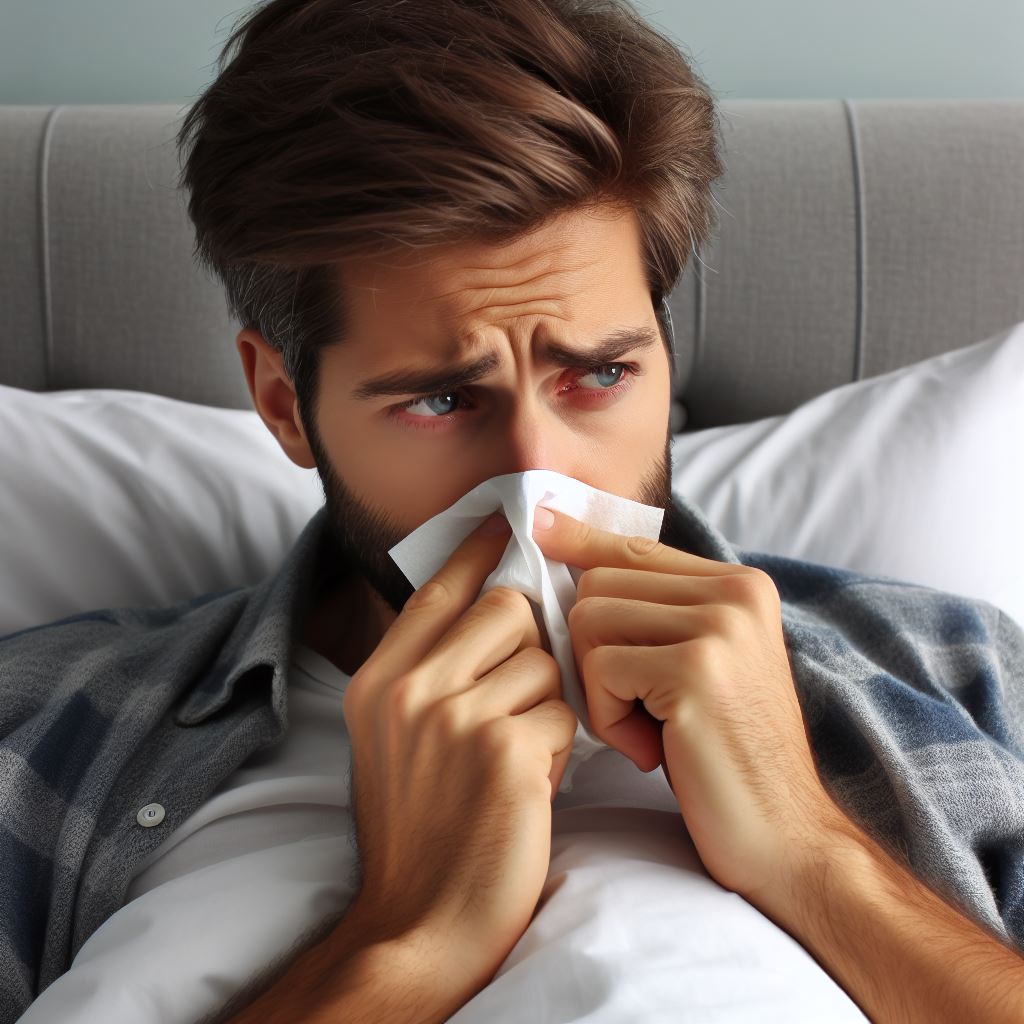
COVID-19 can sometimes mimic seasonal allergies with runny nose, sneezing, or watery eyes. OTC antihistamines can provide relief:
- Loratadine (Claritin) – Non-drowsy, once-daily option.
- Cetirizine (Zyrtec) – Fast-acting, may cause mild drowsiness in some people.
- Diphenhydramine (Benadryl) – Effective but sedating, best taken at night.
Immune Support and Supplements
Vitamin C and Zinc:
These are commonly taken to support immune health. While studies show mixed results on their effectiveness against COVID-19, they may help reduce the severity or duration of general viral illnesses.
Vitamin D:
Often discussed for its role in immune system function. Low vitamin D levels have been linked to higher susceptibility to infections, though its exact role in COVID-19 remains under study.
Elderberry:
A traditional herbal remedy used for colds and flu. While some believe it supports the immune system, there is not enough research to confirm benefits specifically for COVID-19.
Note: Supplements should not replace proven medical treatments or vaccination.
Hydration and Electrolyte Balance
When managing COVID-19, especially with fever or gastrointestinal symptoms like diarrhea, dehydration can occur quickly. OTC electrolyte solutions such as Pedialyte, Liquid I.V., or Gatorade help restore fluids and essential minerals. Drinking water consistently throughout the day remains the most important step.
Sleep and Stress Support
COVID-19 doesn’t just affect the body—it also impacts mental health. Anxiety, insomnia, and fatigue are common, especially when isolated.
- Melatonin: An OTC supplement that may help regulate sleep cycles disrupted by illness.
- Herbal teas with chamomile or valerian root can provide mild relaxation.
- Non-medication strategies like deep breathing, meditation, and limiting screen time before bed also improve sleep quality.
When to Seek Medical Attention
While OTC products can help manage mild cases, some COVID-19 symptoms require urgent medical care. Seek help immediately if you or someone you know experiences:
- Difficulty breathing or shortness of breath
- Persistent chest pain or pressure
- New confusion or inability to stay awake
- Bluish lips or face
These may indicate severe illness and require emergency treatment.
The Role of Vaccination
OTC treatments manage symptoms but do not prevent or cure COVID-19. Vaccination remains the most effective tool to reduce the risk of severe illness, hospitalization, and death. Stay updated on booster recommendations and consult your healthcare provider about the best schedule for you.
Final Thoughts
Over-the-counter medications can make a significant difference in managing COVID-19 symptoms at home, but they are not a substitute for medical guidance. Combining responsible OTC use with hydration, rest, and professional medical advice provides the best path to recovery. Always consult with your healthcare provider before starting new medications or supplements, especially if you have chronic conditions or take prescription drugs.