
Earwax
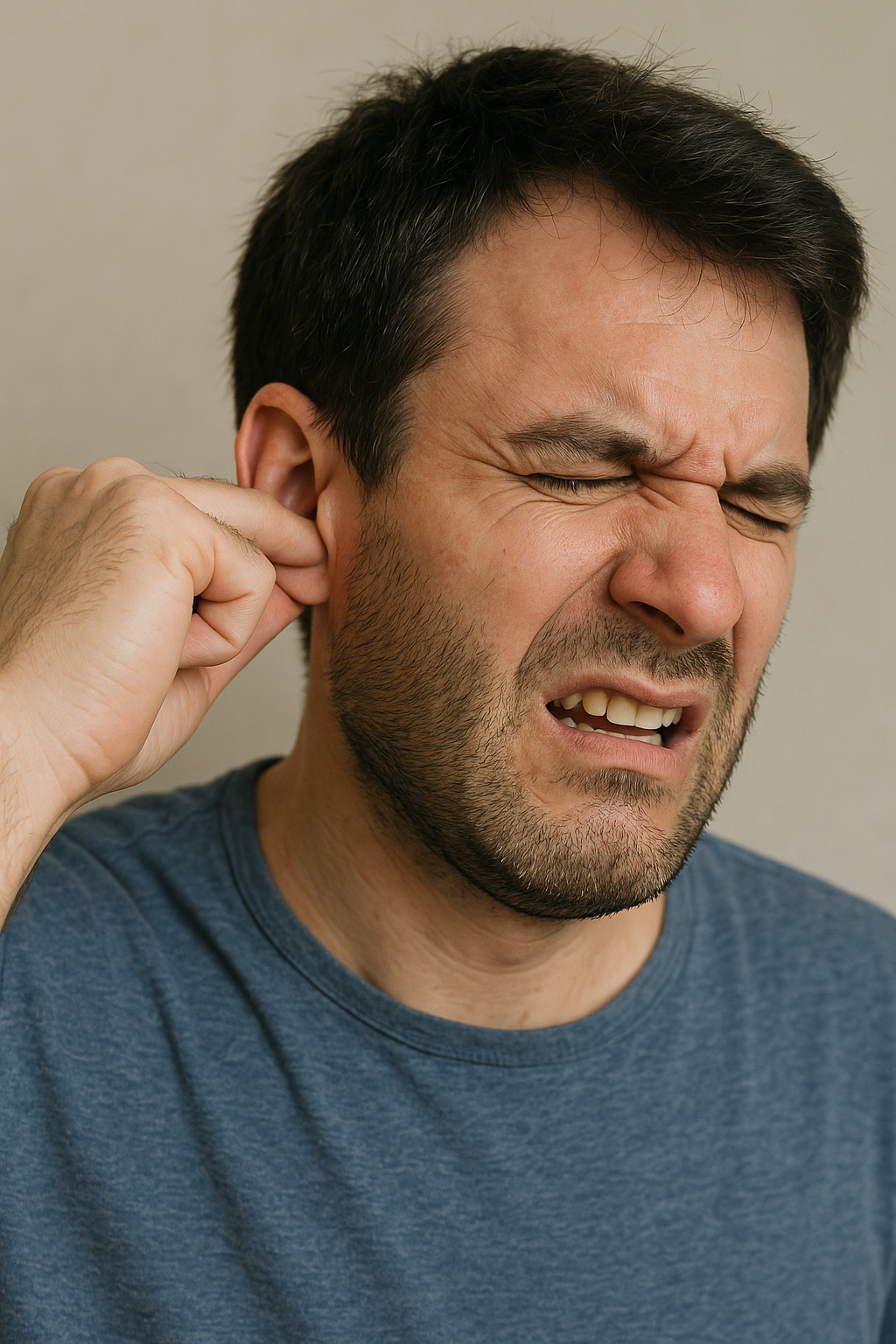
Earwax (cerumen) is a natural substance produced by the ear to protect and lubricate the ear canal. However, excessive or impacted earwax can cause discomfort, hearing loss, tinnitus, and other symptoms. If you believe you have an earwax blockage, it’s a good idea to see a healthcare provider, especially if you experience severe symptoms, pain, or discharge.
For minor earwax build-up, several over-the-counter (OTC) treatment options can help:
1. Earwax Softening Drops: These drops help soften and dissolve earwax, making it easier to remove.
Carbamide Peroxide(e.g., Debrox, Murine Earwax Removal System)
Mineral Oil: Can soften earwax when a few drops are placed in the ear.
Baby Oil or Glycerin: Can also be used to soften earwax.
2. Earwax Removal Kits: These kits often contain softening drops and a bulb syringe for irrigating the ear canal after the drops have been used.
Ensure the water used for irrigation is body temperature. Cold or hot water can cause dizziness or vertigo.
3. Ear Irrigation:
Some people use a bulb syringe to gently irrigate the ear canal with warm water. This should be done cautiously to avoid pushing the wax further in or causing injury.
Some pharmacies may carry specialized devices or kits for ear irrigation.
4. Over-the-counter Ear Cleaning Tools:
There are various tools available, such as ear curettes or spiral earwax removers, but they should be used with caution to avoid damaging the delicate skin of the ear canal or the eardrum.
Important Considerations:
Avoid using cotton swabs (Q-tips) deep inside the ear canal. They often push wax further in and can cause impaction.
If you have a history of ear problems, perforated eardrums, ear surgeries, or if you experience pain, it’s crucial not to try self-treatment and instead see a healthcare provider.
If OTC treatments do not resolve the issue or if symptoms worsen, consult with a healthcare provider.
Regular ear cleaning is not necessary for everyone. Earwax serves a protective function, and for many people, it will naturally work its way out of the ear.
Always consult with a healthcare provider or an ear, nose, and throat (ENT) specialist if you’re concerned about earwax build-up or any ear-related symptoms.